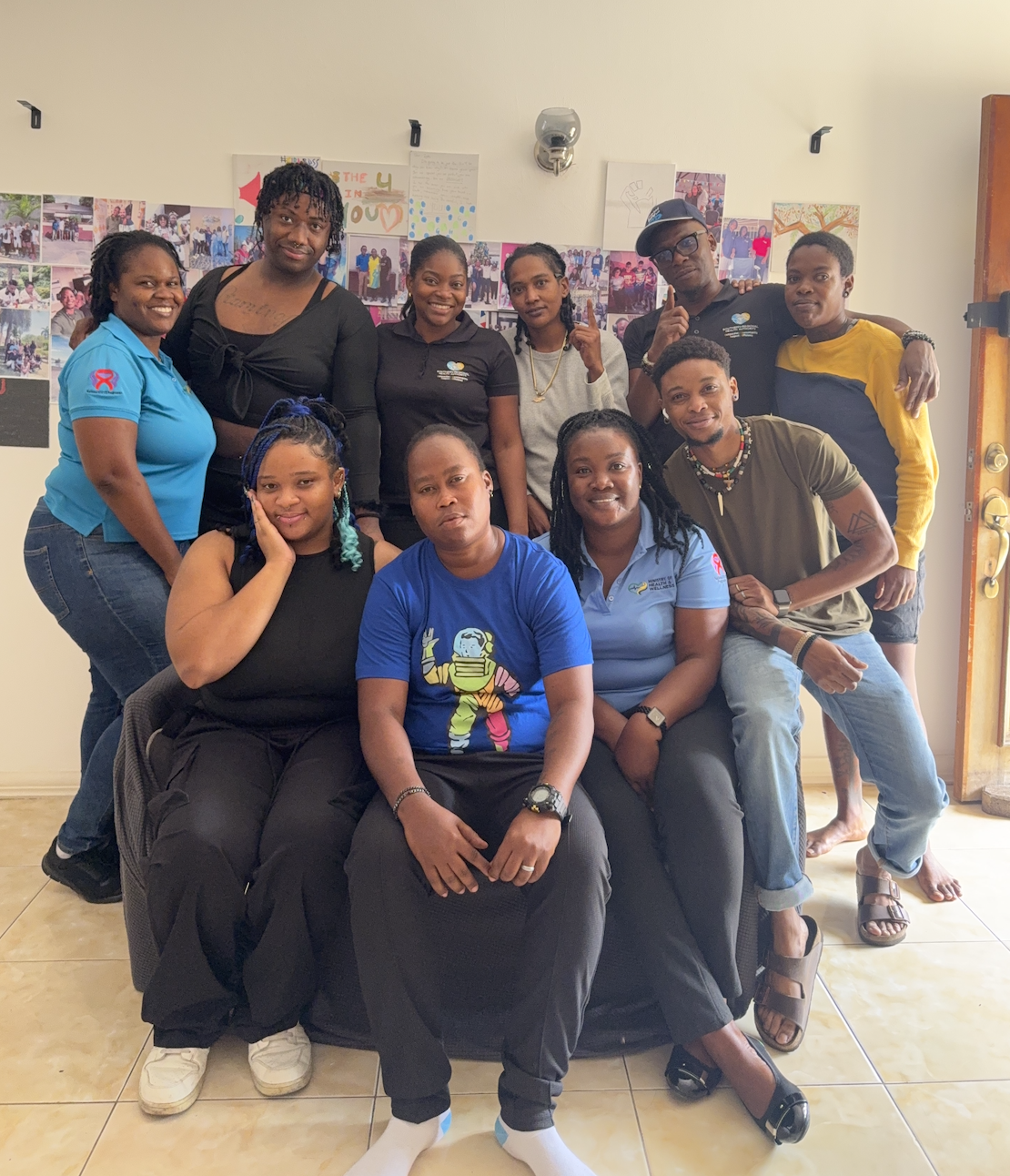
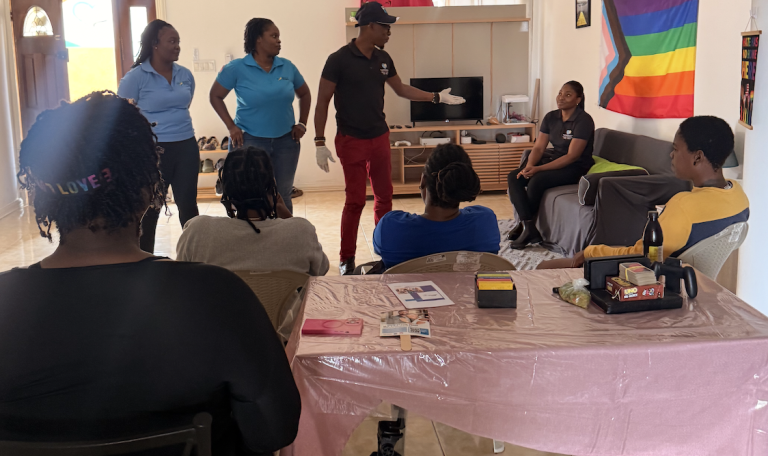
Cari-Trans Support Group Jamaica with the help of the Caribbean Vulnerable Communities (CVC) is deepening efforts to improve access to HIV prevention, testing, and affirming health services for trans and gender-diverse persons across Jamaica. Cari-Trans recently hosted a community outreach session in partnership with the Ministry of Health and Wellness.
The session was designed to introduce HIV/AIDS and sexually transmitted infection prevention methods to trans masculine persons, masculine-presenting lesbians, trans women, and other gender-diverse people. According to Glynn-Devon S. Bryan, founder and executive director of Cari-Trans Support Group Jamaica, the initiative was necessary because these groups are often overlooked in public health discussions, despite facing real risks and barriers to care.
“In reality, many trans masculine and masculine-presenting individuals have sexual interactions that put them at risk, including with men, but these realities are often ignored in public health spaces. Gender or identity does not protect anyone from contracting a sexually transmitted infection,” Bryan explained.
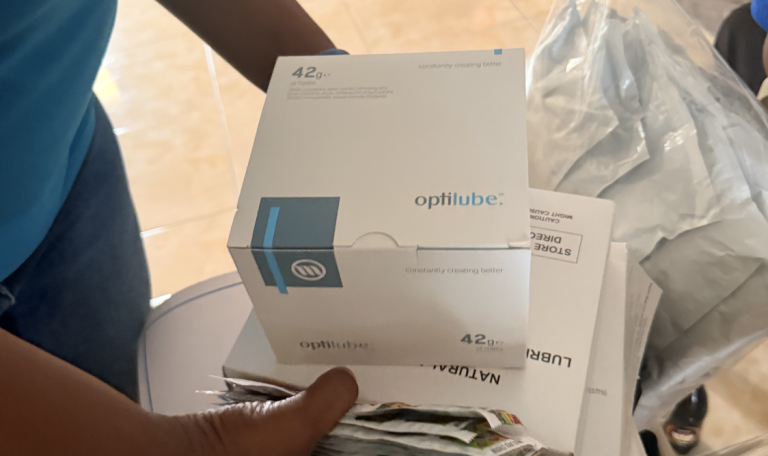
The session created an opportunity for community members to access testing, prevention supplies, and health information in a safe and non-judgmental environment. Eight persons from different backgrounds were tested during the visit, and the group also received condoms, lubricant, and self-test kits. Beyond providing services, the outreach helped to build a relationship between Cari-Trans and the Ministry of Health and Wellness, with the hope that the Cari-Trans Hub House can eventually serve as a more accessible testing location for community members in and beyond the town of Mandeville in the parish of Manchester.
Bryan said the collaboration with CVC came at a critical time, particularly as the organisation was operating with limited resources after investing heavily in establishing and maintaining the Hub House. “We are very grateful for the partnership with CVC, as we have been actively trying to find ways to connect more effectively with the healthcare system. This collaboration created an opportunity for us to take a first step in that direction, particularly by supporting the outreach session with the Ministry of Health,” he said.
The Hub House has become central to Cari-Trans’ service delivery model. More than a shelter, it provides a safe and supportive environment where vulnerable trans persons can access stability, care, and resources without judgment. The organisation supports residents and community members with housing, job readiness, referrals for skills training, healthcare navigation, legal name changes, clothing donations, and access to online support.
“The Hub House allows us to bring services directly to the community instead of expecting people to go into spaces where they may feel unsafe or unwelcome. For example, hosting outreach sessions like the one with the Ministry of Health at the Hub House creates a more comfortable environment and increases access to services such as testing, prevention, and education,” Bryan said.
Cari-Trans is also looking toward sustainability through initiatives such as Cari-Farms, which will engage community members in agricultural activities while providing practical training and opportunities to explore income generation. For Bryan, long-term support must go beyond crisis response. “While housing people and supporting asylum pathways are critical, we also recognize the importance of helping individuals create their own long-term stability so that they are not forced back into unsafe situations. This includes expanding our work to support education, helping individuals return to school, gain subjects, or learn skills that can support their independence. One of the ways we are beginning to do this is through our Cari-Farms initiative, where we will be engaging community members in agricultural activities while inviting experienced professionals to provide training and guidance. Through this, individuals will have the opportunity to learn practical skills, build confidence, and explore sustainable ways to generate income, while also contributing to a shared community effort,” he noted.
The Cari-Trans executive director’s message to members of the trans community is one of self-advocacy and courage. He’s encouraging people to seek care even when systems feel uncomfortable or unwelcoming.
“Go after your health with intention. Advocate for yourself, ask questions, and show up even when it’s uncomfortable,” he said. “Don’t let the system defeat you, because your health, your life, and your peace matter.”