

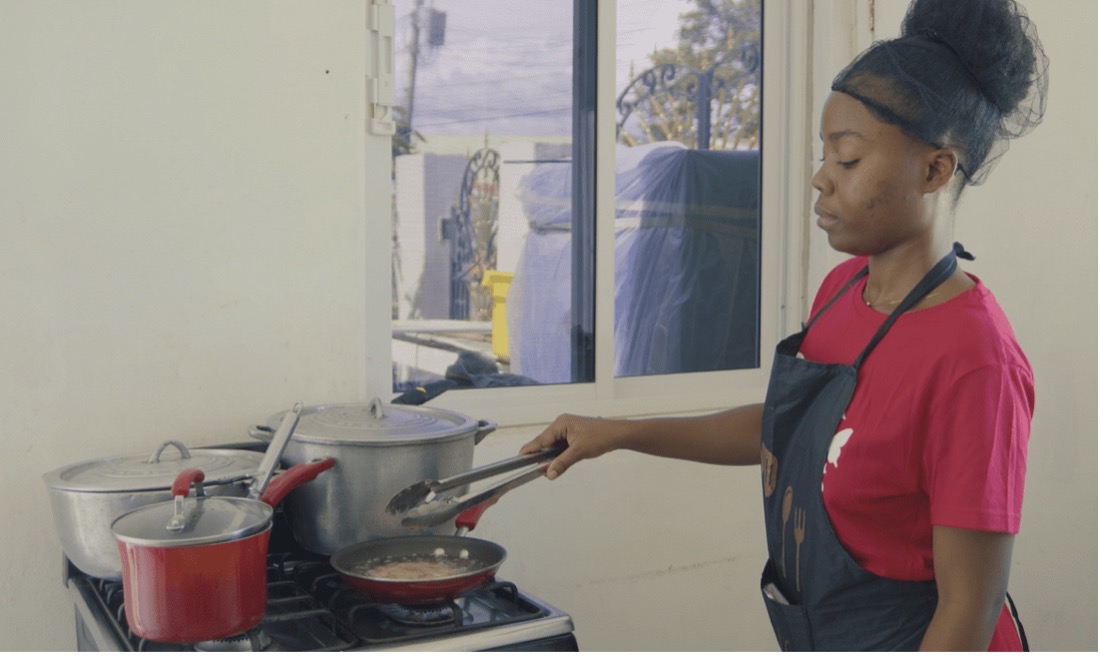
Before receiving support through the SAIL-SRHR Project, Iyoka Blair was unemployed and raising her son while carrying a dream of starting a business. Today, she owns Taino’s Deli and Juice Bar in Old Harbour Bay, St. Catherine, earning an income, supporting her child and building a business she hopes will continue to grow. Her transformation reflects the wider impact of the SAIL-SRHR social enterprise initiative, which has helped young people turn skills and ideas into opportunities for greater economic independence. Nine social enterprises were supported across Jamaica, including businesses in hairdressing, poultry rearing, food service, mobile barbering, haberdashery, farm supplies and grocery retail.
For Iyoka, the SAIL-SRHR grant removed one of the biggest barriers to entrepreneurship: start-up capital. Through the project, she purchased a refrigerator, stove, deep fryer and initial stock needed to open her restaurant. The idea was inspired by her parents, who had previously operated food businesses, but without financial support. Taino’s Deli and Juice Bar now provides cooked meals, burgers, wraps, drinks and other items to residents who previously had to travel outside the community for convenient food options. More importantly, the business provides Iyoka with a sustainable source of income and greater financial independence. “Without the SAIL-SRHR project, I wouldn’t be able to start this business,” she said, adding that the income helps her care for her son. She is already looking ahead, with plans to reinvest profits and expand.
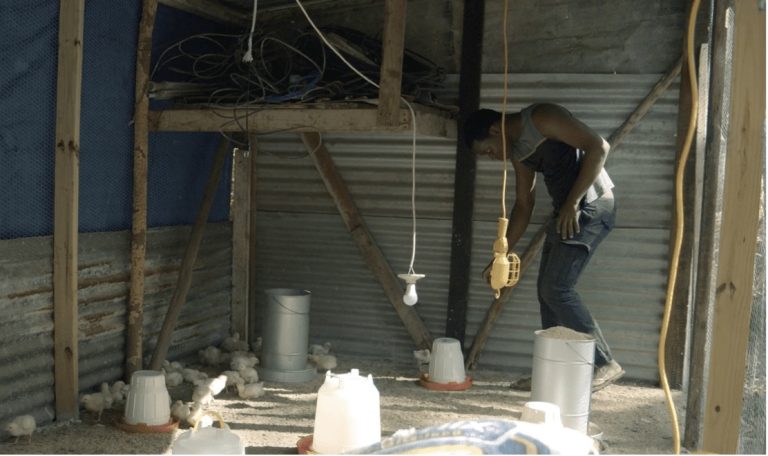
For Adrian Fuller, a sixth-form student from Curatoe Hill, Clarendon, the initiative is creating a different pathway, one that could help finance his education. Drawing on his family’s experience in poultry farming, Adrian launched a chicken-rearing enterprise with training, technical support and assistance from the SAIL-SRHR project. He balances caring for the chickens with school, starting his mornings before classes and checking on the animals again when he returns home.
Adrian says, the business is not simply about earning money today. He plans to reinvest proceeds, expand production and save towards his college tuition. “I see this business helping me in the future as it will help to pay my college fee. I want to go to college to study electrical engineering because it’s something I’m passionate about. I want to become an electrical engineer or an architect,” he said.
These stories demonstrate why the SAIL-SRHR social enterprise initiative goes beyond providing small grants. By giving young people practical business skills, mentorship and resources, the project is helping them build greater control over their economic futures.
Economic empowerment also complements the project’s broader investment in young people’s sexual and reproductive health, leadership and life skills. Greater financial security can expand choices, strengthen confidence and reduce vulnerabilities that may limit young people’s ability to plan their futures. The SAIL-SRHR project’s social enterprise initiative is aligned with Immediate Outcome 1330 of the SAIL-SRHR project, which speaks to increased access to environmentally sustainable income generation opportunities and resources for vulnerable/key populations, including opportunities in the green economy.


