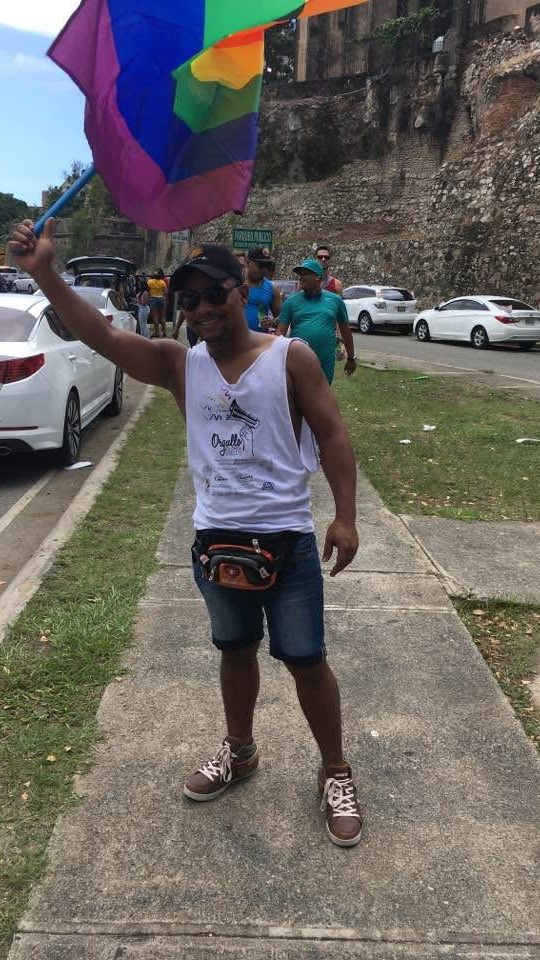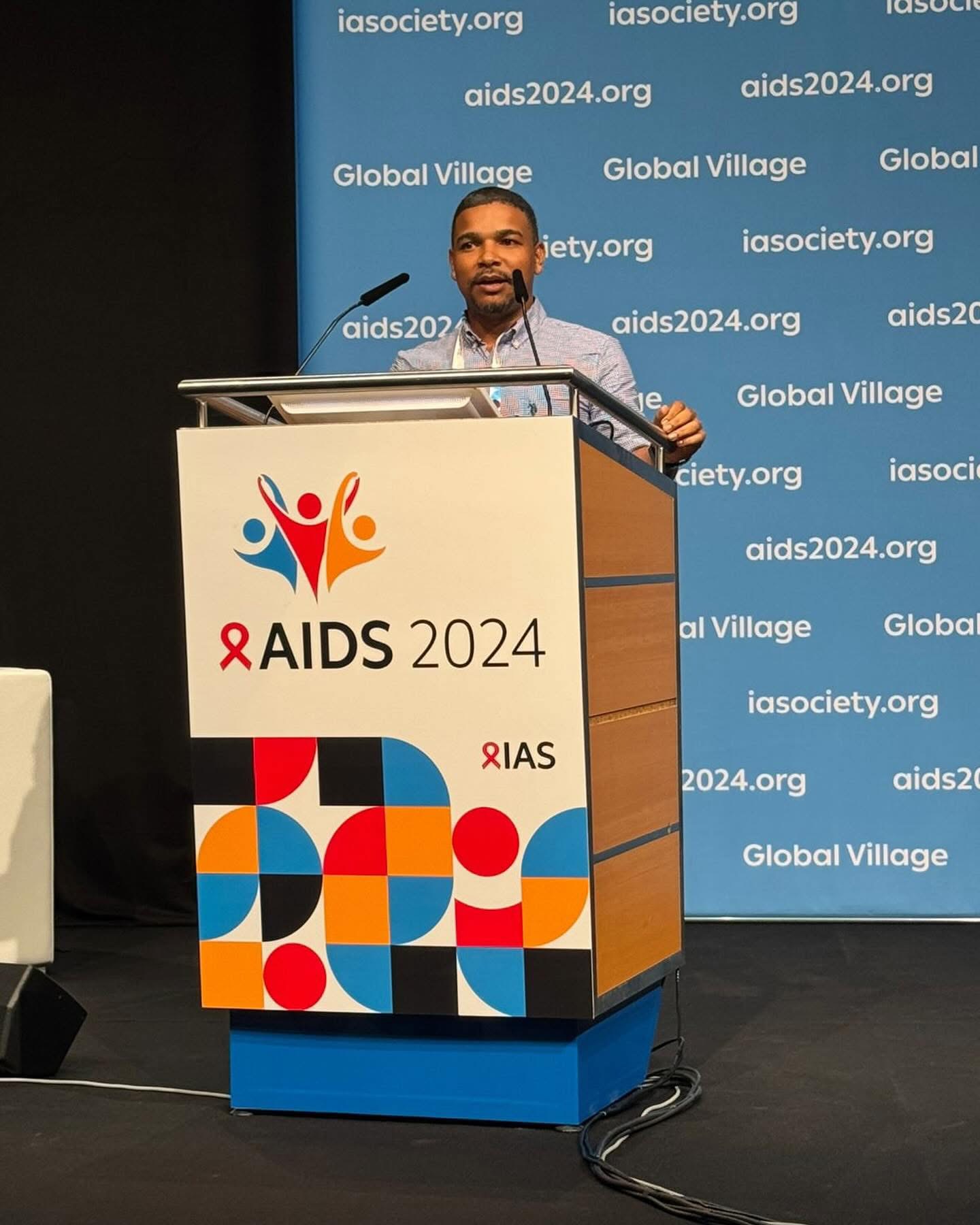
For more than two decades, Elias Ramos has remained firmly committed to the HIV response, driven by hope, purpose, and a belief that no vulnerable community in the Caribbean should be left behind. As the Caribbean Vulnerable Communities’ (CVC’s) Finance and Programmatic Officer in the Dominican Republic, his work continues to connect advocacy, resource mobilization, youth leadership, and regional partnership in ways that strengthen the response for those most affected by HIV.
Ramos’ recent participation in the Funds4Impact Summit 2026 in Santo Domingo was another important milestone in that journey. At the summit, CVC was designated a collaborating entity, strengthening the organisation’s position as a regional leader and gateway for resource mobilization and partnership in the Caribbean.
“CVC being designated as a collaborating entity, solidifies our leadership in regional resource mobilization,” Ramos noted. “I had the privilege of presenting our work and the Social Enterprise Accelerator (SEA CHANGE) initiative in particular on the panel ‘Mobilising Resources to Generate Impact’, highlighting the incredible contributions of our partners.”

The presentation generated strong interest from regional and global actors, leading to strategic discussions with organisations such as PepsiCo, GIZ, and Bi Bank.
During the event Ramos was also recognized for his outstanding contribution in the civil society field for promoting innovative initiatives that actively engage vulnerable groups in the Caribbean. “I was incredibly honored to be recognised for my work. But ultimately, the summit opened doors to help us scale sustainable social projects. Several regional entities and Central American NGOs expressed strong interest in partnering with CVC to strengthen Caribbean basin inclusion in the LAC regional block,” Ramos noted.
For Ramos, recognition is not the destination, it’s part of a wider mission that began 22 years ago, when he entered the HIV response as a young volunteer advocating for basic prevention and access to medication. “What keeps me going after more than two decades is an unwavering hope and commitment to a fair future. I continue this work because I want to see a world where HIV is no longer a crisis, and where no country or vulnerable community in our region has to struggle just to secure lifesaving treatments. Every step forward we take fuels my determination to see this response through to the end,” he said.
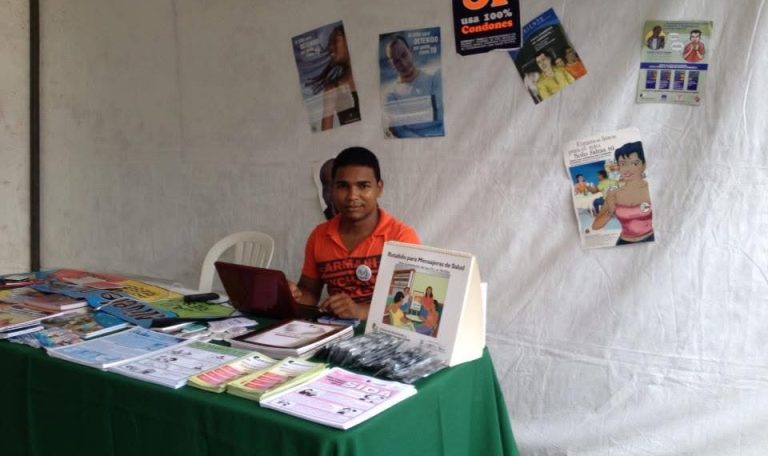
That commitment has helped shape important gains in the Dominican Republic and across the wider Caribbean. Ramos was part of pivotal advocacy movements that successfully fought for universal access to antiretroviral medication and pushed the Dominican Republic to assume full financial responsibility for purchasing life-saving treatment.
His work has also focused heavily on sustainability through leadership development. Through the “Youth in the Real World” initiative, he helped train young advocates who now hold key leadership roles in the national HIV response. Since 2008, he has also helped mobilize financial and technical support for Caribbean youth to participate in the World AIDS Conference.
“Beyond policy, I have focused heavily on sustainability through leadership development,” Ramos pointed out. “This effort has directly empowered over 100 young Caribbean leaders and indirectly supported 200 more, ensuring our vulnerable groups have a powerful, direct voice in front of global decision-makers.”
For Ramos, the HIV response has always been both professional and deeply personal. He remembers the pain of the early days, when young people lost their lives because fear, rejection, and stigma kept them away from care. Today, he sees progress in the growing availability of prevention tools such as PrEP and emergency support through PEP.
“Today, that pain has transformed into deep pride,” he reflected. “Seeing how much more accessible these resources have become proves that every protest, demonstration, and advocacy campaign was worth it. It is a powerful reminder that our collective actions truly deliver results.”
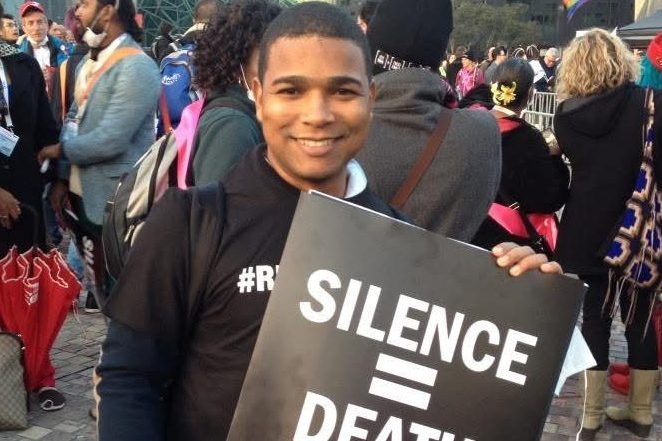
Still, Ramos believes the region cannot afford complacency. His message to colleagues across the Caribbean is urgent and clear: “We cannot afford to lower our guard. This is the time to redouble our efforts, not pull back.”
As political shifts, stigma, discrimination, and prevention gaps continue to threaten progress, Ramos’ work stands as a reminder that the HIV response requires endurance, collaboration, and courage. After 22 years, his commitment remains unwavering: to protect vulnerable communities, strengthen regional action, and continue working toward a Caribbean where HIV is no longer a crisis.