

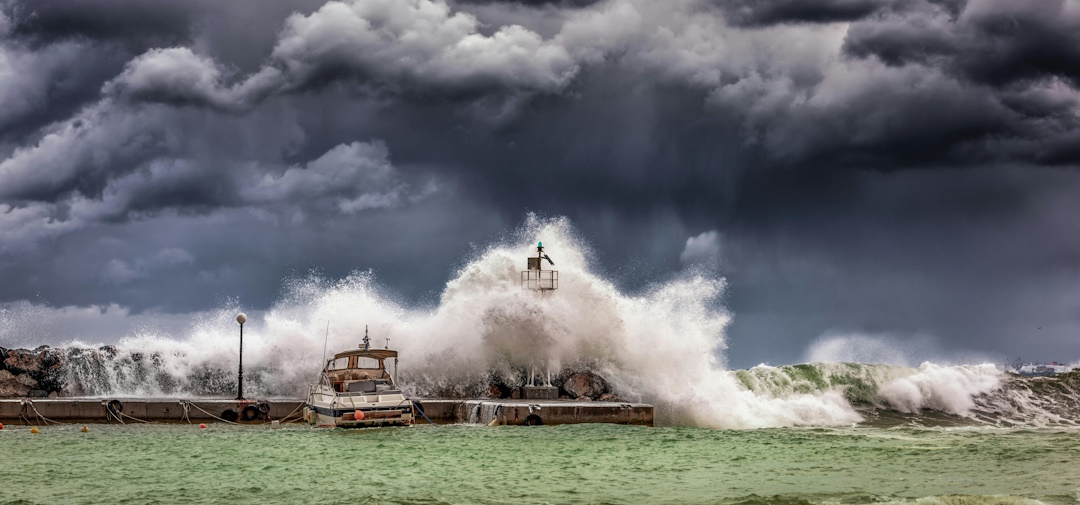
Caribbean countries, which are mostly Small Island Developing States (SIDS), are among the most vulnerable countries to the impacts of climate change. With innately high levels of social, economic and environmental vulnerability, most of the Caribbean’s economic and social infrastructure are within close proximity to the coastline, on the frontline of the battle against climate change.
This means more frequent and intense storms and hurricanes, droughts and floods in addition to sea level rise, which all affect local infrastructure, tourism and economic development. Climate change impacts in other parts of the world lead to food shortages, which means higher costs for food in the Caribbean, where much of our food supply is imported.
While the Caribbean faces these severe impacts, it is not responsible for most of the causes of climate change. Climate justice in the Caribbean would see Caribbean nations receiving fair compensation from the rich countries who are mostly responsible for climate change, and Caribbean governments engaging with communities to determine the best means of addressing climate impacts in their communities.
Author: Alicia Richins
Sustainable Impact Strategist | SDG Champion | Climate Justice Advocate | Climate Futures Writer


